
This is part of a series of posts I am writing to help other young adults get a baseline for adulting, as a young adult myself. When I turned sixteen, I immediately gained an unavoidable sense of dread about being an adult. To counteract this nagging fear, I dived into the immense topic of being an adult. These are my findings, theories, and limited experiences, which I hope will help you in some way shape, or form. Good luck! I know you can do it.
Disclaimer: I am not a financial advisor. This advice is meant to be an overview of the tactics I used to make my first informed credit card purchase. Take all advice with a grain of salt.
The Purpose of Credit Cards

Credit cards. They are all around us, used by nearly every person that we know, for everyday expenses – though many people, like David Ramsey, advise against them. Much like a magic wand, they can make stuff appear in front of you in seemingly effortless purchases. But just like magic, they are mysterious, unknowable. Or so it seems.
Just as I did, most of us will hit the ripe age of 18 with no idea how credit cards actually work. We might have a rough idea of what they do, and almost all of us have seen the ads claiming to help you get rid of credit card debt fast, which just adds another layer of fear on top of it. Hopefully, this post can cut through some of that fear, and give you a baseline for how and why you open a credit card.
Credit cards as we know them today, were invented to essentially act as mini loans. Every time you purchase a debit card, that money is put there from your bank account. The money is backed up by something tangible. Credit cards, on the other hand, say, “I will trust that you will pay back the money that you use, so I will give you a limit for how much you can borrow, and then you will pay me back.”
When you use a credit card, you aren’t using your money, you are borrowing money from the credit card companies. This is where the credit aspect comes in. By making payments, you prove your reliability to the credit company. There are specific ways you can prove your reliability even more, which we will get into in a moment. The point is, that every purchase you make on a credit card is a loan, putting you in debt to the credit company.
Assets and Liabilities?
Credit card companies love debt. Specifically, having people indebted to them. This is how they make their money. Every time you fail to pay off your card, the company can add interest to the payment you need to make, usually after a 21-day grace period is up. Your late fees and interest put money into the pockets of the credit card companies. It’s an asset to them. But this hurts you, negatively affecting your credit score.
The first step in using your credit card well is knowing yourself. Are you the type of person who makes expensive impulsive purchases? Who is always short on cash? Borrows from friends or family constantly? If you answered yes to any of these, then a credit card might not be right for you yet. The allure of cash that you don’t need to have on hand or your debit card can sometimes be too great. Credit cards have buried many people in insurmountable debt, which can feel nearly impossible to escape. One of the smartest financial decisions you can make as a young adult is to avoid consumer debt. That being said, now we’ll see how we can use planned debt to our advantage.
Efficiently Using Your Credit Card
The credit score is a system set up to determine how reliable someone is at paying back money. Understand it, and you can play the game well. If you don’t understand it, it will play you. As I said before, the credit scoring system is set up to see if you are a reliable person based on how you treat the money you are loaned.
To prove this reliability to them even more and quickly build your credit score, there are a few things that you can do.
- Always make payments on time. Most credit cards will allow you to set up auto payments through them, so you don’t have to worry about logging into your account every month to do it. Make sure you have it set to full payments though, because they might try to trick you with minimum payments due. The rest of your payment would then gather interest, which is bad.
- Only utilize 10% or less of your credit allowance every month. For example on a card with a $200 limit, you would only have $20 on it at the end of the statement period, which means you can use it for other things during the month, but you should pay off at least 90% of that before the remaining balance is paid. The purpose of this is to show that you are responsible for your credit, but you aren’t reliant on it, ie. having all $200 reported at the end of the statement period every month.
- Make sure you never spend what you don’t have. Because you can’t see the cash disappearing into a register, or a bank balance getting low, a credit card’s money might not seem real at times. Make sure that you can pay for, whatever you buy with your card from your savings or debt before you purchase it, because if you have no money in those, then you risk going into real debt with your card.
- Make the first line of credit you open count. The best way to build credit is to keep one line of credit open for years and years. The longer it’s open, the stronger backup you’ll have to your reliability, especially if you use it well. The average age of accounts shows lenders how much experience you have handling credit. Keep your oldest credit account open and in good standing, which helps build positive credit.
- Don’t open multiple lines of credit at once. There are so many different things that will offer you great deals on credit cards, partially because of how much money is to be made in it, and partially because different cards have different benefits. However, this can poison your credit, as every time you open a new card your credit takes a small, but significant drop. When you apply for a new card or take out a loan, your score can take a hit from these repeated inquiries.
Choosing a Good Credit Card
There are a lot of things to take into consideration when you choose a credit card, especially your first one. The things you most need to consider are APR (Annual Percentage Rate), how you plan to use the card, and perks.
Annual Percentage Rate
“One of the most important things to consider is the interest rate, or APR, of the credit card. This is the amount of interest you’ll be charged on any unpaid balance.” -Khan Academy
You need to know how much interest is going to be charged to you if you don’t make a payment. It’s important to be aware, even if you choose to go with that card anyway. The card I’m using has a 30.74% variable interest rate, so if I hypothetically spent my $200 limit and didn’t pay it off, I would rack up $61.48 in late fees. That’s a lot of money.
How You Plan to Use the Card
Many people use credit cards for many different reasons. My main goals for my card are to (A) build credit, and (B) start a line of credit that I can keep open for years. Having different goals can drastically change the card that you get, but in my opinion, these are the best reasons and have the fewest high debt risks attached.
Perks
I won’t go into perks for the simple fact that there is an overwhelming amount that is available. The best perk to look for, again, in my opinion, is cashback. There are a lot of other options out there, like travel rewards for frequent drivers, low APR or annual fee, and many other options.
My Experience
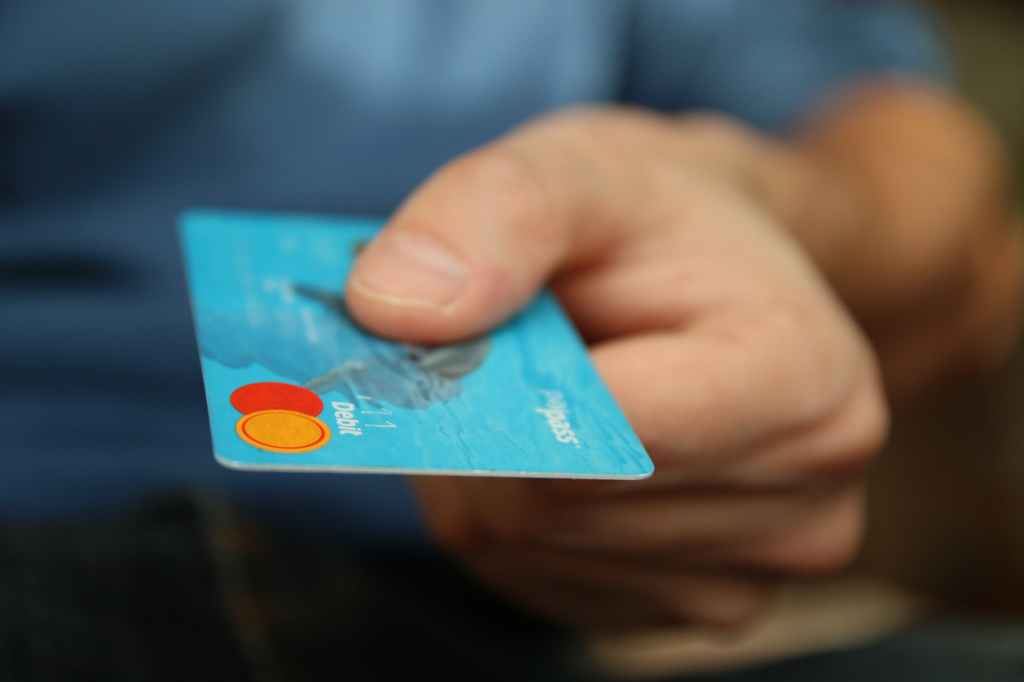
So far I’ve talked about having a credit card in theory, but now I will give you the layout of how I’m personally applying this to my life.
When I first started looking into the card I would get, I wanted something that would be a solid first line of credit, a card I could continue to use for years and potentially upgrade without having to start a new line of credit. I choose the Quicksilver card by Capital One, as they are reliable, have a built-in way to check your credit score without affecting your credit, and I would have the opportunity to upgrade the card multiple times without adversely affecting my score or first line of credit. I also paid $200 at once instead of an annual fee. Because I plan on keeping this line of credit open, the initial high payment on the card is worth it in the long run.
To make sure I don’t overspend, I have two automatic monthly payments, things that I was already paying for with my debit card, on my credit card. These two things add up to 30% of my credit allowance, and the payment from them is taken off of my debit card every month, building credit without my assistance.
I did make one mistake at the beginning, which was having my card set to minimum payment due instead of full payment, which means I paid some interest that I didn’t want to, but after fixing that, I can pretty much put on cruise control along with checking my balance monthly to make sure there aren’t any purchases on it that I did not make.
When I upgrade to a higher line of credit, I plan on putting part of my rent payments on the card, again staying at that 30% or lower line. Another thing that I will pay for monthly, is that I can use to build credit. At the end of the day building credit is the main reason I have a card to begin with.
Conclusion
Credit cards are an excellent way to build and maintain a healthy credit score, which is (however unfortunate), necessary for modern life. They can open doors for taking out higher loans or renting apartments when used well. But they are a double-edged sword, that can just as easily leave you with a mountain of debt if you’re not careful. Read the fine print on your contract, pay attention to your spending habits, and use caution. The fire that cooks your food can also burn your house down.

Extra Resources
This is just a sliver of the research that I did before purchasing my first card, and even deciding what card I wanted to get in the first place. While this is the best sliver I have with the most important info, there’s a lot more to be had, so here are some of the resources I used to come to the conclusions I did. There are posts and podcasts, so no matter what type of learner you are, I’ve got something for you.
Posts
Credit Cards: A Primer for Young Adults, Teens, and Parents in 2021
7 Best Credit Cards to Build Credit
10 Best Credit Cards To Build Credit in December 2023
Podcasts
10 Rules for Using and Maximizing Credit Cards!
How to Choose the Best Credit Card (Plus the Exact Credit Card I Use!)
Financial Foundations #4: Building Credit & Utilizing Credit Cards
Go forth and spend safely!

 Genuine Gwyn
Leave a comment